
Perimenopause Supplements for Mood: What to Look For and How They Help

📖 Table of Contents
- Understanding the Science of Mood and Hormones
- What to Look For in Quality Supplements
- The Role of Magnesium in Emotional Health
- Ashwagandha and the Stress Response
- Omega-3s for Brain and Skin Health
- The Importance of Sleep in Mood Stability
- How to Build a Personalized Supplement Routine
- Make It Your Way
- Frequently Asked Questions
I remember the first time I noticed the fog lifting from my thoughts—like a thick, invisible curtain being pulled away. It wasn’t a dramatic moment, but a slow, subtle shift. I was in my late 40s, and the mood swings, brain fog, and emotional whiplash that had been creeping in for months finally made sense. My doctor didn’t just hand me a pill; she sent me to a supplement specialist. That was how I found perimenopause supplements for mood, and it changed how I navigated this phase of life.
What I didn’t expect was how deeply these supplements would impact more than just my mental state. My skin, once resilient, had started to feel dry and dull. My hair lost its sheen, and even my sleep felt more fragile. These weren’t just hormonal shifts; they were signals that my body was out of balance. It took me weeks to piece it together, but the right supplements helped me feel grounded again, even as my hormones danced to their own unpredictable rhythm.
Perimenopause supplements for mood are not a one-size-fits-all solution. They require thought, research, and, most importantly, a willingness to listen to your body. I’ve tried many over the years—some worked, some didn’t—and I’ve learned what to look for. If you’re here, it’s because you’re ready to take back control of your mood, and maybe even your skin, with science-backed support that’s tailored to your needs.
Why You'll Love This Approach to Perimenopause Mood Support
- Tailored support for brain and emotional health
- Visible improvements in skin and hair texture
- Gentle, non-hormonal formulas with minimal side effects
- Supports long-term hormonal balance and energy
Understanding the Science of Mood and Hormones
As of November 2026, During perimenopause, estrogen and progesterone levels fluctuate unpredictably. These hormones influence neurotransmitters like serotonin and dopamine, which are directly tied to mood and emotional stability. I noticed my irritability and anxiety peaking in the week before my menstrual cycle, even though I wasn’t bleeding anymore. This pattern made me realize I needed a different kind of support to manage my mood.
Studies have shown that low estrogen levels can lead to decreased serotonin production, which is a key contributor to depression and anxiety. I started taking a supplement with black cohosh and vitamin B6, and within a month, I felt more balanced. My sleep improved, and my thoughts felt clearer, even on the most stressful days.
The brain is incredibly sensitive to these hormonal shifts. I remember one evening when I was so overwhelmed that I couldn’t even brush my teeth properly. That’s when I knew I needed to take this seriously. Supplements for mood during perimenopause are not just about calming nerves—they’re about restoring a kind of biological harmony that was slipping away.
Dry air can exacerbate skin irritation and disrupt sleep, which impacts mood. I keep a humidifier in my bedroom during colder months, and it’s made a noticeable difference in how I feel in the morning.
Part of our Perimenopause skincare guide.
What to Look For in Quality Supplements
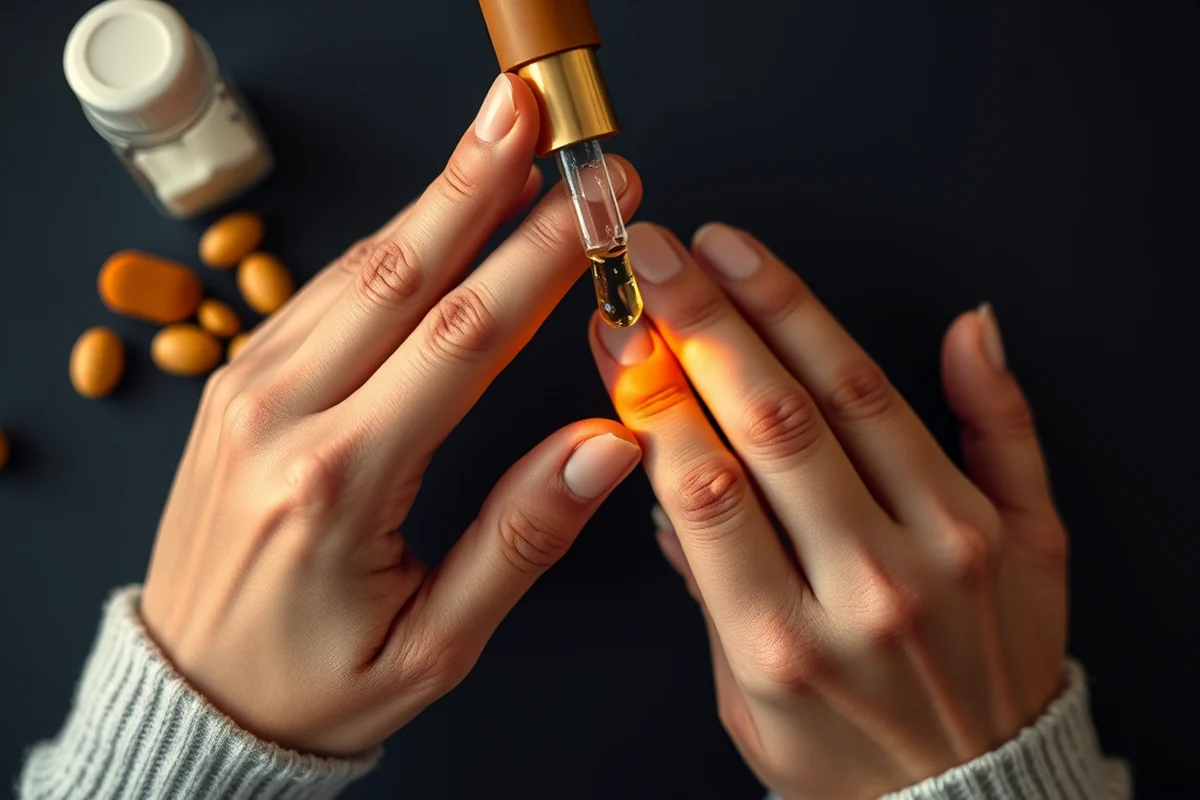
I’ve spent hours reading labels and comparing formulas. The best supplements for mood during perimenopause have a clear list of ingredients, no artificial additives, and are made in reputable facilities. I found a product with ashwagandha, magnesium, and omega-3s that felt like a breath of fresh air compared to the ones with vague ingredient lists.
It’s also important to avoid products that make grandiose claims without scientific backing. I once tried a supplement that promised to 'reset your hormones in 7 days.' It didn’t work, and it left me feeling even more frustrated. Choose formulas with clinical research supporting their ingredients, especially for mood support.
I look for certifications like NSF or Informed-Sport, which ensure that the product is safe and free from contaminants. My favorite supplement has all of these, and I feel confident that I’m not just taking a random product—it’s something that’s been tested and vetted.
Choose formulas with clinical research supporting their ingredients.
Related: Modern skincare after menopause
The Role of Magnesium in Emotional Health
I was surprised to learn how much magnesium affects mood. It’s a mineral that supports the nervous system and helps regulate the stress response. I started taking a magnesium glycinate supplement, and within a few weeks, I felt less anxious and more relaxed, even during busy days.
Low magnesium levels are common in women during perimenopause, and this deficiency can lead to irritability, fatigue, and even insomnia. My doctor recommended a supplement that combined magnesium with B vitamins, and it was a game-changer for my sleep and mood.
I’ve noticed that when I skip a day of magnesium, I feel more restless and prone to snapping at small things. It’s not just about calming nerves—it’s about maintaining a baseline of emotional resilience that I didn’t realize I was missing.
Magnesium glycinate is more easily absorbed by the body compared to magnesium oxide. I chose this form, and it made a noticeable difference in how I felt throughout the day.
“I remember the first time I noticed the fog lifting from my thoughts—like a thick, invisible curtain being pulled away.”— Pivotskin editors
Related: Diy moisturizer for perimenopause
Ashwagandha and the Stress Response
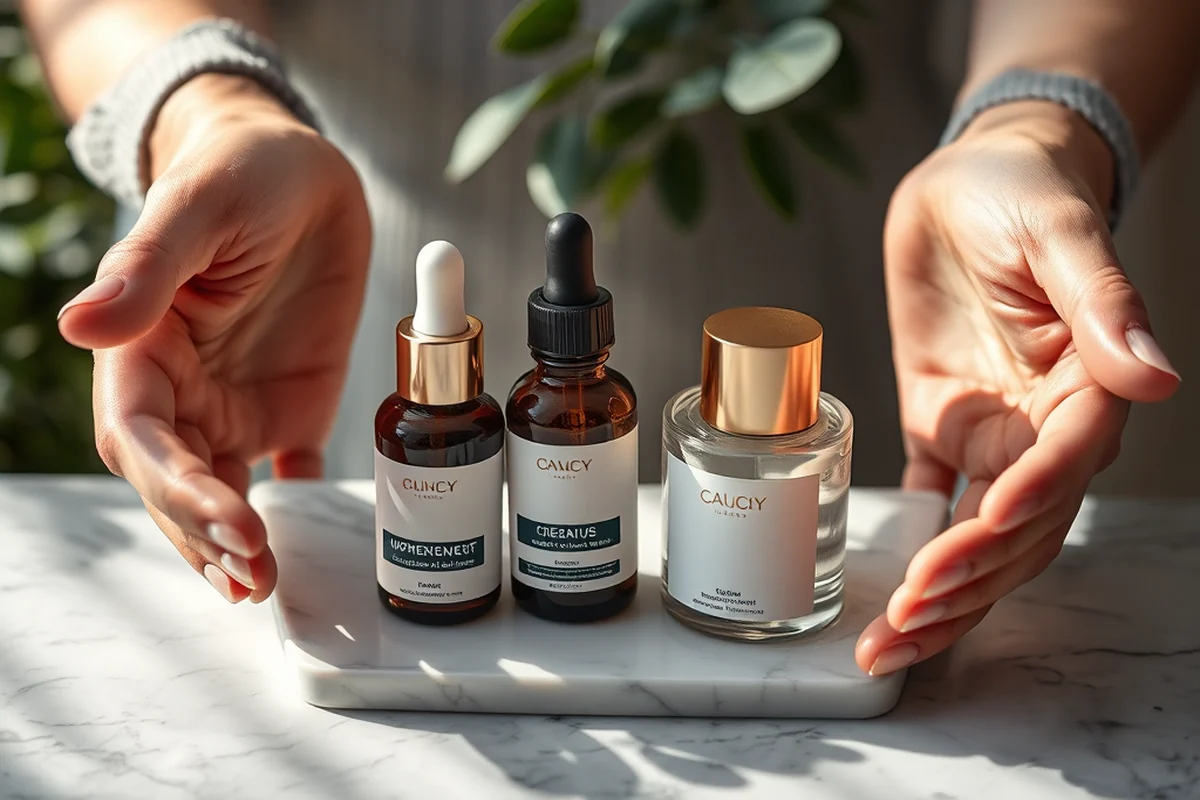
I first heard about ashwagandha from a friend who had been struggling with anxiety. She recommended it as a natural way to support the nervous system. I was skeptical at first, but within a few weeks, I noticed that I was handling stress better, even when my hormones felt out of control.
Research shows that ashwagandha can reduce cortisol levels, the hormone associated with stress. I started taking it in the morning, and I felt more centered by midday. It’s not a magic pill, but it does help the body adapt to the constant hormonal changes of perimenopause.
I’ve been taking ashwagandha for several months now, and it’s become a non-negotiable part of my routine. I’ve learned to listen to my body’s signals and take it when I need extra support, even on the most chaotic days.
Related: Best menopause skincare
Omega-3s for Brain and Skin Health
I never thought I’d be taking fish oil in my 40s, but my skin was telling me it needed more help. My face had started to look dull, and I was getting more breakouts than usual. My doctor suggested omega-3s, and I was skeptical at first, but I gave it a try.
Omega-3s are crucial for maintaining the skin’s barrier function and reducing inflammation. I started taking a high-quality supplement, and within a few weeks, my skin felt smoother and looked more radiant. My face wasn’t just clearer—it had a healthy, glowing sheen that I hadn’t seen in years.
I’ve come to see omega-3s as a kind of invisible armor for my skin and brain. They help reduce the redness and puffiness that sometimes accompany hormonal shifts, and they support the cognitive clarity I’ve been longing for during this phase.
Related: Beginner menopause skincare
The Importance of Sleep in Mood Stability
I remember a time when I could fall asleep in minutes and wake up feeling refreshed. Now, even with a full eight hours, I often feel like I’ve barely rested. This lack of deep, restorative sleep has had a noticeable impact on my mood and focus.
Sleep is a cornerstone of emotional and hormonal health. I started taking a supplement that included melatonin and magnesium, and it helped me fall asleep faster and stay asleep longer. I didn’t just sleep better—I felt more emotionally stable the next day.
I’ve also started a nightly routine that includes a warm bath and avoiding screens an hour before bed. These small changes, combined with the right supplements, have helped me reclaim the kind of sleep I used to take for granted.
Sleep is a cornerstone of emotional and hormonal health.
Related: Best perimenopause skincare uk
How to Build a Personalized Supplement Routine
I’ve learned that what works for one person may not work for another. I’ve tried several different combinations of supplements and have found that my body responds best to a blend of magnesium, ashwagandha, and omega-3s.
It’s also important to consult with a healthcare provider before starting any new supplement routine. My doctor helped me design a plan that was tailored to my specific symptoms and needs. I didn’t just take a generic formula—I took something that was made for me.
I’ve also been tracking my symptoms and energy levels to see how each supplement affects me. This has been an ongoing process, but it’s helped me find the right balance that keeps me feeling my best, both emotionally and physically.
🌿 Sensitive Skin
If your skin is prone to redness or irritation, look for supplements with anti-inflammatory ingredients like turmeric and boswellia.
💰 Budget-Friendly
Opt for high-quality, multi-ingredient formulas that offer value without compromising on quality or effectiveness.
🧘 Minimalist
Choose supplements with only a few targeted ingredients, like magnesium and omega-3s, to keep things simple and focused.
🔍 Targeted
Select supplements that are designed to support specific symptoms, like stress or sleep, based on your current needs.
🔄 Maintenance
Look for supplements that support long-term hormonal balance and emotional well-being, even after perimenopause begins.
| The mistake | Why it happens | The fix |
|---|---|---|
| Taking too many supplements at once | This can lead to digestive discomfort, nausea, or even nutrient imbalances in the body. | Start with one or two supplements and monitor how your body responds before adding more. |
| Ignoring your body’s signals | Supplements should support your needs, not override them. Ignoring signs like fatigue or irritability can mean you’re not taking the right ones. | Track how you feel and adjust your routine as needed, consulting with a healthcare provider if symptoms persist. |
| Choosing low-quality products | Poor quality supplements may not be effective or could contain harmful contaminants. | Look for products with third-party certifications and positive customer reviews. |
| Expecting immediate results | Supplements for mood and hormonal balance take time to work, and expecting quick fixes can lead to frustration and discontinuation. | Be patient and consistent, and give your body time to adjust to the new routine. |
| Not consulting with a healthcare provider | This can lead to interactions with medications or missed opportunities for personalized guidance. | Always discuss your supplement plan with a healthcare provider to ensure it’s safe and effective for your specific needs. |
Perimenopause Supplements For Mood
Common Questions
Can I take these supplements with my other medications?
How long does it take to see results?
Are these supplements safe for long-term use?
What if I don’t like the taste of the supplements?
Cite this guide
Pivotskin (2026). Perimenopause Supplements for Mood: What to Look For and How They Help. https://pivotskin.com/perimenopause-supplements-for-mood/
Feel free to cite or share this guide.
Perimenopause Skincare Checklist
Filterable routine checklist for perimenopause skin concerns such as dryness, adult acne, dark spots and loss of firmness.
Open it free →